Principled nonviolence
Respond to injustice with disciplined, peaceful resistance that exposes moral contradictions. King adopted Gandhian nonviolence not as passivity but as a strategic and spiritual force.
Steps
Study the philosophy of nonviolence — read King, Gandhi, and Thich Nhat Hanh
Practice de-escalation in everyday conflicts before you face high-stakes ones
When provoked, pause and respond with the outcome you want, not the emotion you feel
In any confrontation, maintain dignity for both yourself and your opponent
Reflect each evening on where you held or lost your nonviolent discipline
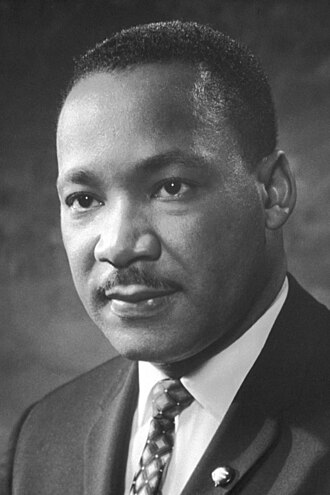
Practitioners
Related Systemsin Purpose & Meaning
Virtue Cultivation
Practice building good character through daily habits of propriety, learning, and moral reflection. Confucius' lifelong path to becoming a person of integrity.
Categorical Imperative
Before any decision, ask: 'Could I will this to be a universal law?' Immanuel Kant's rigorous ethical framework for acting with moral consistency.
Moral Leadership
Lead by appealing to the highest moral ideals, not just practical interests. Martin Luther King Jr.'s framework for creating change through principled nonviolence.
Design Thinking Walk
Take long walks to think through design problems. Steve Jobs was famous for walking meetings and believed movement unlocked creative solutions.