Duty-centered ethics
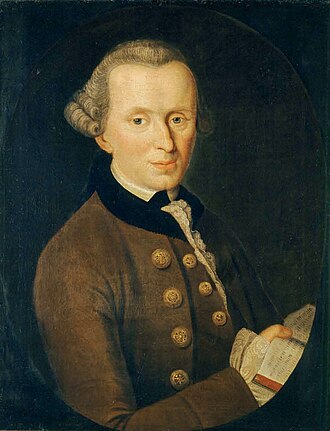
Make decisions based on moral duty rather than personal desire or expected outcomes. Kant held that right action comes from rational obligation, not from chasing happiness or results.
Steps
Identify a decision you face today that has a moral dimension
Ask what your duty is — independent of what you want or what would benefit you
Test the action: could you recommend it as a rule for everyone in this situation?
Act from duty even when it conflicts with convenience or self-interest
Reflect in the evening on whether you honored your obligations or rationalized away from them
Practitioners
Related Systemsin Purpose & Meaning
Virtue Cultivation
Practice building good character through daily habits of propriety, learning, and moral reflection. Confucius' lifelong path to becoming a person of integrity.
Categorical Imperative
Before any decision, ask: 'Could I will this to be a universal law?' Immanuel Kant's rigorous ethical framework for acting with moral consistency.
Moral Leadership
Lead by appealing to the highest moral ideals, not just practical interests. Martin Luther King Jr.'s framework for creating change through principled nonviolence.
Design Thinking Walk
Take long walks to think through design problems. Steve Jobs was famous for walking meetings and believed movement unlocked creative solutions.