Confessional Poetry
Write poetry that draws directly from your most personal, painful, and taboo experiences. Sylvia Plath's confessional poems in Ariel broke literary convention by refusing to separate the poet's inner life from the art.
Steps
Identify an experience you have never spoken about publicly — something that still carries emotional charge
Write about it in raw, unedited verse — let the words pour out without craft concerns
Return to the draft and shape it: find the strongest images and cut everything that dilutes them
Use concrete, sensory details rather than abstract emotions — show the reader, do not tell them
Read the finished poem aloud to yourself and notice what it costs you — that cost is the poem's power
Practitioners
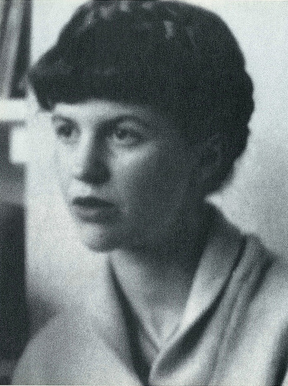
Related Systemsin Mental & Emotional
Stoic Evening Review
End each day by reflecting on what went well, what was in your control, and what you could improve. Marcus Aurelius' daily practice for building wisdom and inner peace.
Gratitude Journal
Write down three specific things you are grateful for every evening. Oprah Winfrey's decades-long practice for shifting perspective from scarcity to abundance.
Emotional Honesty
Write with radical vulnerability and truthfulness about your inner experience. Sylvia Plath's practice of mining personal pain and joy for creative power.
Zen Meditation
Practice zazen — seated meditation with focus on posture, breathing, and emptying the mind. Steve Jobs credited Zen practice with sharpening his design intuition.