Systematic philosophy
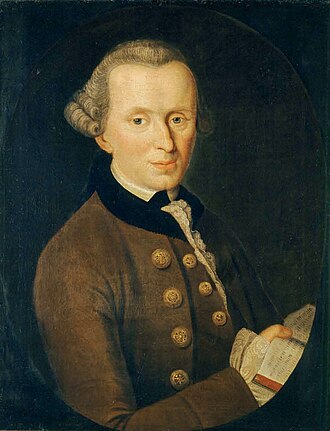
Build a complete, internally consistent framework of thought rather than collecting scattered ideas. Kant constructed his critical philosophy as an interconnected architecture of reason.
Steps
Choose a domain you want to understand deeply — ethics, knowledge, aesthetics
Write down your core assumptions and define every key term precisely
Test each assumption for internal consistency — does it contradict another?
Build connections between your ideas into a coherent structure
Revisit and revise the system regularly as new problems reveal gaps
Practitioners
Related Systemsin Learning & Growth
Mirror Writing Notebook
Keep detailed cross-disciplinary notebooks that connect disparate fields. Leonardo da Vinci's method for fostering creative breakthroughs by linking art, science, and engineering.
Thought Experiments
Explore ideas by running vivid mental simulations. Einstein imagined riding a beam of light — and discovered relativity. Your imagination is a laboratory.
Reading 80 Books Yearly
Read voraciously and widely. Stephen King reads 70-80 books a year because he believes reading is the creative center of a writer's life.
Patient Observation
Immerse yourself in your subject for extended periods without rushing to conclusions. Jane Goodall spent years simply watching before she understood chimpanzee society.