Natural observation
Observe the natural world with patient, systematic attention to detail. Darwin spent decades watching earthworms, barnacles, and finches, building world-changing theory from meticulous seeing.
Steps
Choose a natural subject — a plant, insect, bird, or ecosystem — to study over time
Observe without hypothesis first: record exactly what you see, hear, and measure
Visit the same subject at different times and conditions, noting changes
Draw or sketch your observations — visual recording sharpens attention beyond writing
After several sessions, look for patterns and form your first tentative explanation
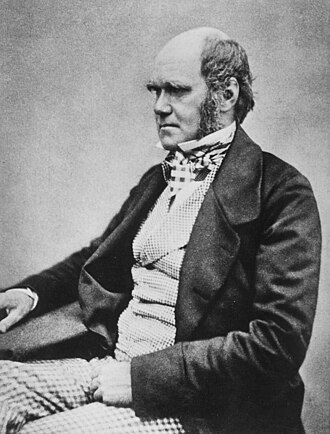
Practitioners
Related Systemsin Learning & Growth
Mirror Writing Notebook
Keep detailed cross-disciplinary notebooks that connect disparate fields. Leonardo da Vinci's method for fostering creative breakthroughs by linking art, science, and engineering.
Thought Experiments
Explore ideas by running vivid mental simulations. Einstein imagined riding a beam of light — and discovered relativity. Your imagination is a laboratory.
Reading 80 Books Yearly
Read voraciously and widely. Stephen King reads 70-80 books a year because he believes reading is the creative center of a writer's life.
Patient Observation
Immerse yourself in your subject for extended periods without rushing to conclusions. Jane Goodall spent years simply watching before she understood chimpanzee society.