Narrative Science
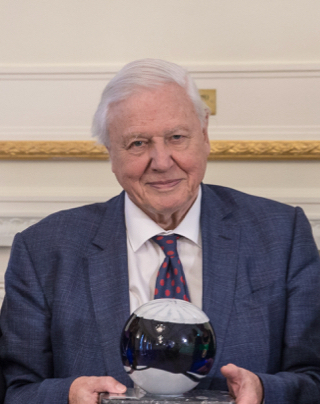
Present scientific facts through compelling storytelling that makes audiences care. David Attenborough's genius was giving individual animals storylines — drama, struggle, triumph — so viewers felt the science emotionally.
Steps
Choose a factual topic and identify a specific character, creature, or case study within it
Structure your narrative with a clear beginning, conflict, and resolution
Ground every dramatic moment in verified facts — never sacrifice accuracy for drama
Use sensory language that puts the audience inside the scene
Test your narrative on someone unfamiliar with the topic — if they care about the outcome, you succeeded
Practitioners
Related Systemsin Learning & Growth
Mirror Writing Notebook
Keep detailed cross-disciplinary notebooks that connect disparate fields. Leonardo da Vinci's method for fostering creative breakthroughs by linking art, science, and engineering.
Thought Experiments
Explore ideas by running vivid mental simulations. Einstein imagined riding a beam of light — and discovered relativity. Your imagination is a laboratory.
Reading 80 Books Yearly
Read voraciously and widely. Stephen King reads 70-80 books a year because he believes reading is the creative center of a writer's life.
Patient Observation
Immerse yourself in your subject for extended periods without rushing to conclusions. Jane Goodall spent years simply watching before she understood chimpanzee society.