Moral education
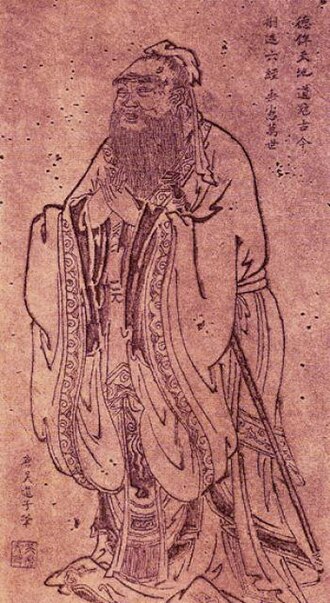
Teach and learn moral principles through dialogue, example, and practice rather than mere instruction. Confucius believed education's highest purpose was cultivating good character, not accumulating information.
Steps
Choose a moral principle you want to understand more deeply this week
Find a historical or literary example that illustrates the principle in action
Discuss the example with someone — teaching forces you to clarify your own understanding
Apply the principle in a specific situation today and observe the result
Reflect on the gap between knowing the principle and living it — that gap is the real curriculum
Practitioners
Related Systemsin Learning & Growth
Mirror Writing Notebook
Keep detailed cross-disciplinary notebooks that connect disparate fields. Leonardo da Vinci's method for fostering creative breakthroughs by linking art, science, and engineering.
Thought Experiments
Explore ideas by running vivid mental simulations. Einstein imagined riding a beam of light — and discovered relativity. Your imagination is a laboratory.
Reading 80 Books Yearly
Read voraciously and widely. Stephen King reads 70-80 books a year because he believes reading is the creative center of a writer's life.
Patient Observation
Immerse yourself in your subject for extended periods without rushing to conclusions. Jane Goodall spent years simply watching before she understood chimpanzee society.