Detailed note-taking
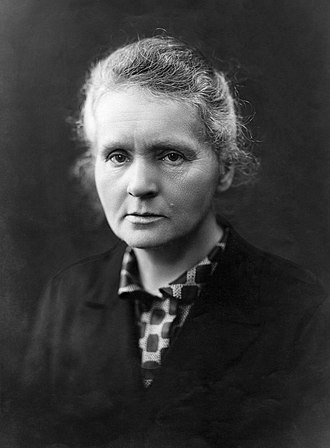
Record every observation, measurement, and anomaly in meticulous detail. Marie Curie's lab notebooks were so thorough they remain scientifically useful — and radioactive — over a century later.
Steps
Keep a dedicated notebook for your current project — physical or digital
Record every observation with the date, conditions, and exact measurements
Note anomalies and unexpected results with the same care as expected ones
Review your notes at the end of each week and highlight emerging patterns
Cross-reference older entries when you encounter something puzzling — the answer may already be in your notes
Practitioners
Related Systemsin Learning & Growth
Mirror Writing Notebook
Keep detailed cross-disciplinary notebooks that connect disparate fields. Leonardo da Vinci's method for fostering creative breakthroughs by linking art, science, and engineering.
Thought Experiments
Explore ideas by running vivid mental simulations. Einstein imagined riding a beam of light — and discovered relativity. Your imagination is a laboratory.
Reading 80 Books Yearly
Read voraciously and widely. Stephen King reads 70-80 books a year because he believes reading is the creative center of a writer's life.
Patient Observation
Immerse yourself in your subject for extended periods without rushing to conclusions. Jane Goodall spent years simply watching before she understood chimpanzee society.