Atmospheric capture
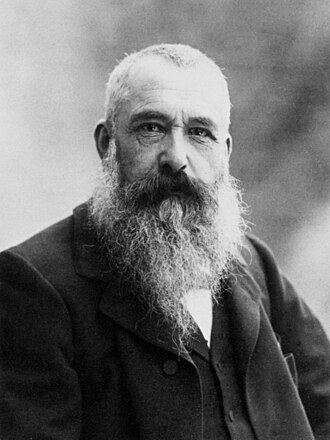
Train yourself to see and render atmosphere — fog, haze, dappled light — rather than solid outlines. Monet dissolved hard edges to paint the air itself, not just the objects in it.
Steps
Go outdoors and observe not the objects but the space between them — the quality of light and air
Squint to blur detail and notice the large color masses and tonal shifts
In your medium, try to capture the mood and atmosphere before any specific form
Use color temperature shifts rather than outlines to suggest depth and distance
Compare your result to a photograph — notice what your sensory impression captured that the camera missed
Practitioners
Related Systemsin Learning & Growth
Mirror Writing Notebook
Keep detailed cross-disciplinary notebooks that connect disparate fields. Leonardo da Vinci's method for fostering creative breakthroughs by linking art, science, and engineering.
Thought Experiments
Explore ideas by running vivid mental simulations. Einstein imagined riding a beam of light — and discovered relativity. Your imagination is a laboratory.
Reading 80 Books Yearly
Read voraciously and widely. Stephen King reads 70-80 books a year because he believes reading is the creative center of a writer's life.
Patient Observation
Immerse yourself in your subject for extended periods without rushing to conclusions. Jane Goodall spent years simply watching before she understood chimpanzee society.